



Buying a dirt bike for a teenager is a balancing act. You want something powerful enough to keep them interested, but safe enough that you are not white-knuckling every time they head out. Electric dirt bikes have made that balance a lot easier to find.
Electric motors are easier to control than gas engines. They are quieter, cleaner, and require less mechanical upkeep. For parents, that means fewer trips to the shop and fewer arguments with the neighbors. For teens, it means more time riding and less time wrenching.
Here is what to look for when choosing the right electric dirt bike for a teen rider.
Why Electric Makes Sense for Teen Riders
Teenagers are still developing their riding instincts. A bike that delivers power smoothly and predictably gives them room to build skills without getting bucked off by a jerky throttle response. Electric motors deliver torque in a linear, controllable way. There is no clutch to stall, no gears to miss, and no powerband to catch a new rider off guard.
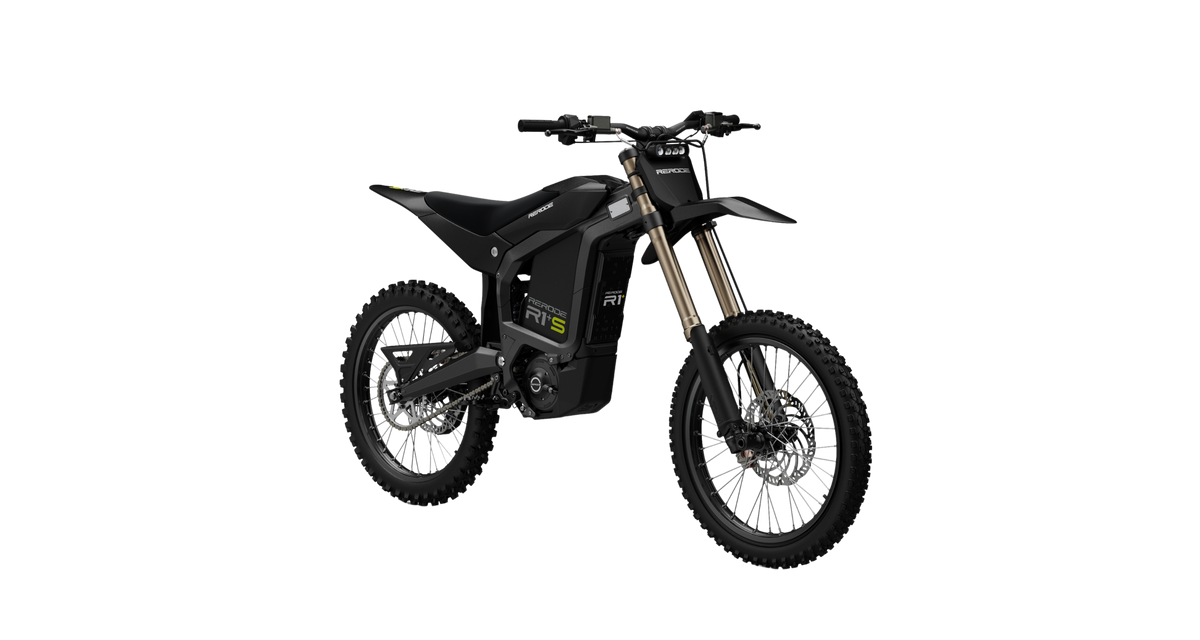
That single-speed simplicity is a real advantage. Bikes like the Rerode R1 use a belt-drive system with no clutch and no gearbox. The rider focuses on body position, braking, and line choice instead of fighting the drivetrain.
Noise matters too. If your teen wants to ride at a friend's property or on land close to houses, a gas bike can shut that down fast. An electric bike keeps the volume low enough that riding becomes a weeknight activity, not just a weekend trip to a designated area.
Power: How Much Is Enough?
This depends on your teen's age, size, and experience level. A 13-year-old who has never ridden before needs a different bike than a 17-year-old who has been on gas bikes for years.
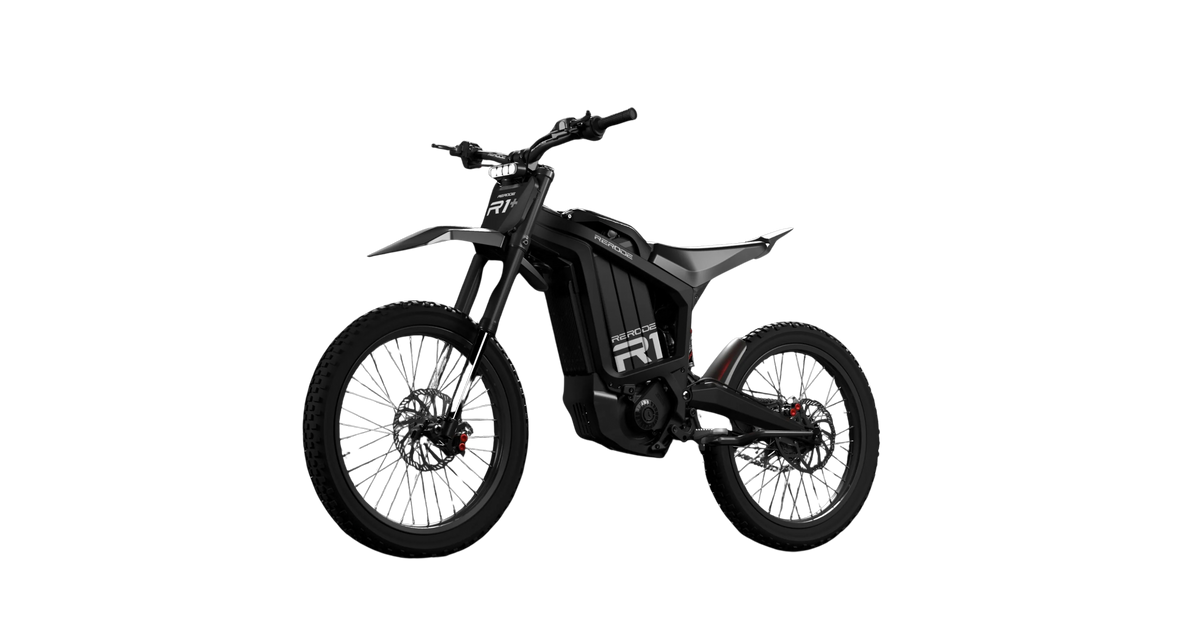
For younger or newer riders, a bike in the 3-5Kw range provides enough power to have fun on trails without being overwhelming. For older teens who have some experience and want something closer to a full-size machine, a 10Kw motor, like the one in the Rerode R1, offers real performance. It delivers a top speed around 52 mph and weighs just 130 lbs, which makes it manageable for a teen who is still growing into their riding.
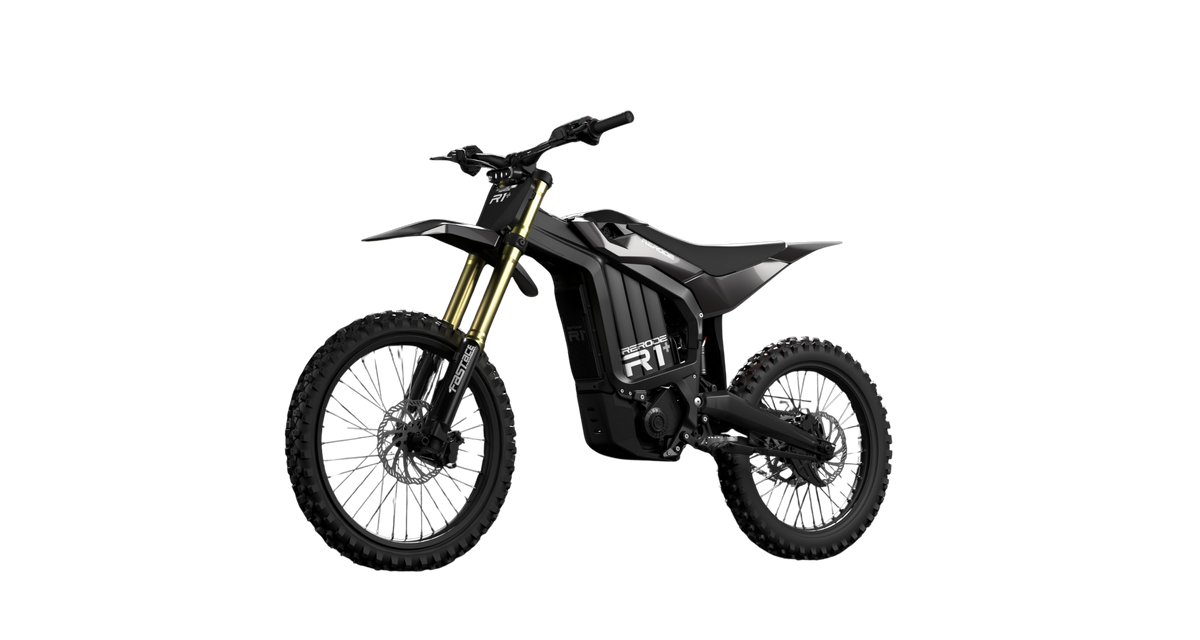
The Rerode R1+ steps up to 17Kw and 59 mph. That is closer to adult performance territory, so it makes sense for older teens who are ready for more power and have the skills to handle it.
Weight: Lighter Bikes Build Confidence
A heavy bike is intimidating for a teen. It is harder to pick up after a tip-over, harder to maneuver in tight spots, and harder to control at low speeds. When a bike weighs 220+ lbs, like many gas 250s, it can work against a developing rider instead of with them.
The Rerode R1 at 130 lbs is significantly lighter than comparable gas bikes. That weight difference matters when a teen is learning to corner, navigate roots and rocks, or recover from a mistake. A lighter bike means faster progress and less frustration.
Safety Features to Look For
No bike is safe if the rider does not have proper gear and training. That said, certain features on an electric dirt bike make the learning curve more forgiving.
Look for adjustable power modes. Some electric bikes allow you to limit the top speed or throttle response, which gives parents a way to dial the bike down while a teen is still learning and open it up as their skills improve.
Good brakes matter more than most parents realize. Hydraulic disc brakes with proper stopping power are non-negotiable. The Rerode R1 runs DOT 4 brakes, while the R1+ uses 4-piston hydraulic brakes for even stronger, more consistent stopping.
The Rerode companion app also adds a layer of oversight. Parents can monitor battery level, motor temperature, and performance stats remotely. It is not a replacement for supervision, but it gives you data on how the bike is being used.
Battery and Range: Will It Last Long Enough?
Most teens are not doing three-hour endurance rides. A typical session is 45 minutes to an hour and a half. For that kind of use, a 72V 35Ah battery like the one in the Rerode R1 provides plenty of charge.
Charging takes a few hours, which fits naturally into a routine. Ride after school, charge overnight, ride again the next day. The R1+ carries a larger 72V 40Ah battery for extended sessions.
If range anxiety is a concern, keep in mind that how the bike is ridden affects battery life more than anything. Steady trail riding conserves charge. Constant full-throttle blasts drain it faster.
Maintenance: Less Work for Everyone
One of the biggest selling points for parents is the reduced maintenance. There is no oil to change, no air filter to clean, no carb to adjust, and no chain to lube on a belt-drive electric bike. That means fewer things a teen can neglect or break from lack of experience.
You still need to check tire pressure, brake pads, and suspension. But the overall upkeep is simpler and cheaper than a gas bike. A teenager can realistically handle most of it themselves, which is a good lesson in responsibility.
What to Spend
Electric dirt bikes range widely in price. Entry-level models aimed at younger kids start under $1,000 but lack the build quality and performance to hold a teen's attention for long.
A capable, well-built machine like the Rerode R1 at $3,850 offers real performance with a frame and components that can grow with a teen rider over several seasons. It is an investment, but the lower maintenance costs and the fact that there is no fuel expense offset that over time.
The R1+ at $4,350 makes sense for older teens who want more power and plan to ride frequently. Both bikes hold up well and use quality components, so they are not disposable purchases.
Frequently Asked Questions
What age is appropriate for an electric dirt bike?
It depends on the bike and the rider. Small electric bikes are available for children as young as five or six. For a full-performance machine like the Rerode R1, most riders are 14 and up, with prior riding experience recommended. The R1+ is better suited for older teens (16+) who have solid riding fundamentals.
Do electric dirt bikes need a license?
In most areas, electric dirt bikes used exclusively off-road do not require a license or registration. Rules vary by state and municipality, so check your local regulations before purchasing.
How fast do electric dirt bikes go?
Speed varies by model. The Rerode R1 tops out around 52 mph, and the R1+ reaches 59 mph. For teens, the practical riding speed on trails and tracks is usually well below the maximum, especially while developing skills.
Are electric dirt bikes safer than gas bikes for teens?
Electric bikes offer smoother throttle response and no clutch, which reduces the learning curve. They also tend to be lighter, making them easier to handle. No bike is inherently safe without proper gear, training, and supervision, but the electric platform removes some of the mechanical complexity that can trip up new riders.
Find the Right Fit
Choosing a dirt bike for a teen does not have to be stressful. Start with their experience level and size, match that to the right power output and weight class, and prioritize good brakes and build quality. The Rerode R1 and R1+ are built with the kind of performance and durability that keep teens progressing, without the maintenance burden that wears parents down.
Share:
Best Electric Dirt Bike for Adults: How to Choose the Right Fit and Performance
Electric Motocross Bike Guide: What to Look For Before You Hit the Track