


Electric motocross bikes are no longer prototypes sitting in a booth at a trade show. They are on tracks. Riders are racing them, training on them, and in some cases preferring them over gas for specific types of riding. The technology has reached a point where electric MX bikes compete on performance, not just novelty.
But buying an electric motocross bike is not the same as buying a gas one. The specs that matter are different, the maintenance schedule changes, and the way you evaluate performance needs a slightly different lens. This guide breaks down what to actually look for before you commit.
Motor Output: Kilowatts, Not CCs
When you are used to gas bikes, you think in terms of displacement. A 250cc or a 450cc tells you roughly where a bike sits in the power hierarchy. Electric bikes use kilowatts instead, and the translation is not always one-to-one.
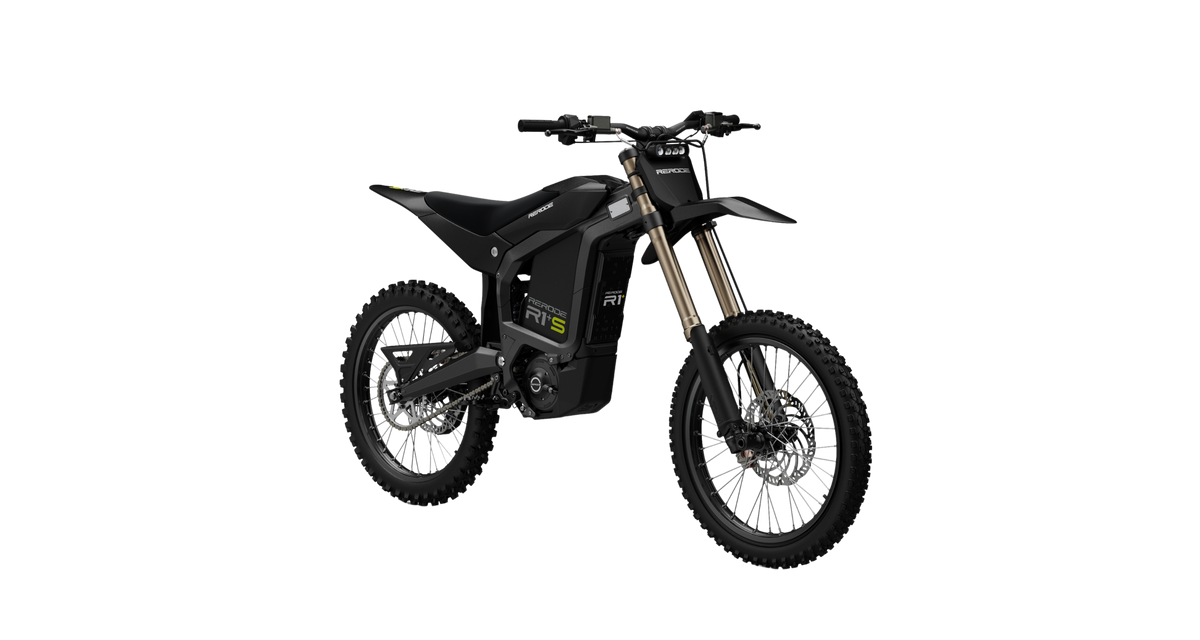
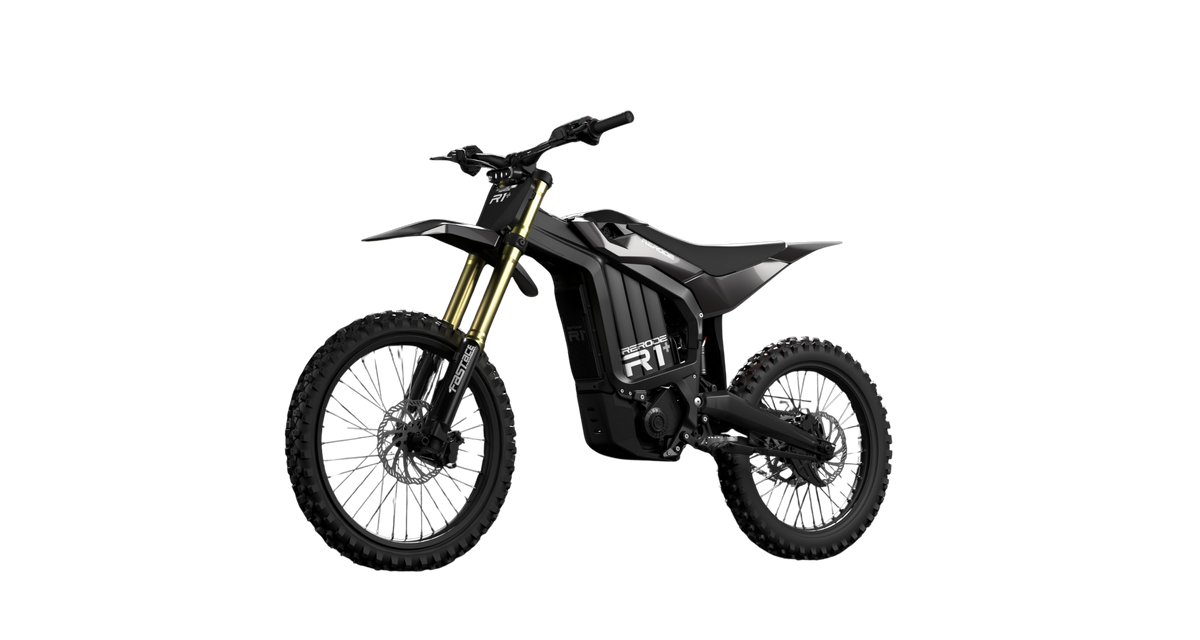
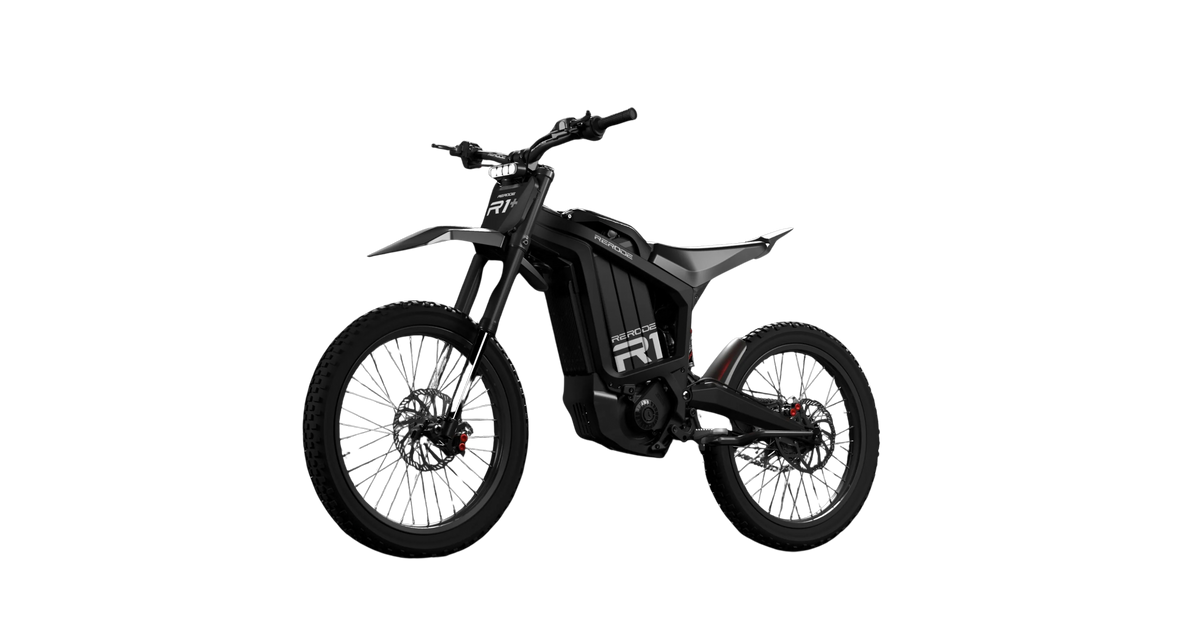
A 10Kw electric motor, like the one in the Rerode R1, delivers power comparable to a 125cc to 250cc gas bike, depending on how the motor controller manages output. The R1+ pushes that to 17Kw, which puts it in the range of a competitive 250cc four-stroke for trail and track use.
What matters more than the peak number is how the power is delivered. Electric motors produce full torque at zero RPM. That means your hole shot is going to be strong, your acceleration out of corners is instant, and there is no dead spot in the power curve. For motocross, where every fraction of a second matters at the gate, that is a real advantage.
Battery: Capacity, Voltage, and What They Mean for Track Time
Battery specs on an electric MX bike tell you two things: how much power the motor can draw (voltage) and how long the bike will run (amp-hours).
The Rerode R1 runs a 72V 35Ah battery. The R1+ steps up to 72V 40Ah. Higher amp-hours means more ride time per charge. For motocross practice, where motos run 15 to 20 minutes, a full charge can get you through several sessions before you need to plug in.
Racing puts more strain on the battery than casual riding. Hard acceleration, repeated jumps, and sustained high RPM drain charge faster. If you plan to race, pay attention to the amp-hour rating and factor in a buffer for aggressive riding.
Charging time is also part of the equation. Most electric MX bikes take a few hours to fully charge with a standard charger. Some brands offer fast-charge options. The Rerode charger is available as an OEM accessory for convenient trackside recharging between sessions.
Frame and Weight: Where Electric Bikes Shine
Weight has always been one of the most important factors in motocross. A lighter bike corners faster, jumps more predictably, and fatigues the rider less over a 20-minute moto.
The Rerode R1 weighs 130 lbs. The R1+ comes in at 150 lbs. Compare that to a Yamaha YZ250F at around 227 lbs or a Honda CRF250R at roughly 234 lbs. That is 80 to 100 lbs of difference, and you feel every pound of it on the track.
Both Rerode models use an aluminum alloy frame, which keeps the weight low while maintaining the structural rigidity you need for jumps, berms, and hard landings. The battery sits low in the frame, which drops the center of gravity and improves stability through turns.
Suspension: Do Not Overlook This
A good motor means nothing if the suspension cannot handle track conditions. Motocross suspension needs to absorb hard landings from tabletops and doubles, soak up whoops without deflecting, and stay composed through high-speed braking bumps.
When evaluating an electric MX bike, look at the fork and shock specs the same way you would on a gas bike. Adjustable compression and rebound damping is a minimum. Spring rate should match your weight. If the stock suspension is not up to par, aftermarket options should be available.
The lighter overall weight of an electric bike actually makes suspension tuning easier. Less unsprung mass means the suspension can react faster, and the reduced overall weight puts less stress on the internals over time.
Brakes: Stopping Power for Track Speeds
Motocross demands strong, consistent brakes. You are scrubbing speed before corners, managing your approach to jumps, and making split-second adjustments in traffic. Weak brakes are a safety issue and a performance limiter.
The Rerode R1 uses DOT 4 brakes. The R1+ upgrades to 4-piston hydraulic brakes, which provide stronger initial bite and better heat management during extended track sessions. For serious motocross riding, the 4-piston setup is worth the step up.
Drivetrain: Belt vs. Chain
Most gas MX bikes use a chain and sprocket setup. Chains stretch, require regular lubrication, and need periodic replacement. They also add weight and mechanical complexity.
Both the Rerode R1 and R1+ run belt-drive systems. A belt is lighter, quieter, cleaner, and requires far less maintenance than a chain. The tradeoff is that belts are not as easily adjustable for different gearing ratios. For most track riding, the stock gearing works well, but riders who want to swap sprockets for specific track layouts will not have that option with a belt.
For the majority of MX riders, the maintenance savings and weight reduction of a belt drive outweigh the gearing flexibility of a chain.
The Companion App: Data That Makes You Faster
One area where electric bikes have a clear edge is real-time data. The Rerode companion app connects to your bike and provides live readouts on battery level, RPM, motor temperature, and performance metrics.
For motocross training, this data is valuable. You can see how your throttle patterns affect battery consumption, monitor motor temps during hot days, and track your performance session to session. That kind of feedback loop, baked into the bike itself, is something gas bikes do not offer without aftermarket data loggers.
Frequently Asked Questions
Can you race electric dirt bikes in motocross events?
Some sanctioning bodies and local tracks are starting to include electric classes or allow electric bikes in open classes. It varies by region and organizer. Check with your local track or racing organization for their current rules on electric entries.
How does an electric MX bike compare to a 250cc four-stroke on the track?
In terms of acceleration and torque delivery, a 17Kw electric motor like the Rerode R1+ is competitive with a 250cc four-stroke. The electric bike is significantly lighter (150 lbs vs. 225+), which affects handling and jump dynamics. Top speed is comparable for most track layouts.
How long does the battery last during a motocross session?
A 72V 40Ah battery can handle multiple 15-to-20-minute motos on a single charge, depending on riding intensity. Aggressive, full-throttle riding will reduce range. Steady, controlled riding extends it.
What happens if the battery dies mid-ride?
The bike will gradually lose power as the battery depletes, giving you warning before it shuts down completely. Monitoring battery level through the companion app helps you manage charge during sessions and avoid getting stranded on the track.
Check Out the Rerode MX Lineup
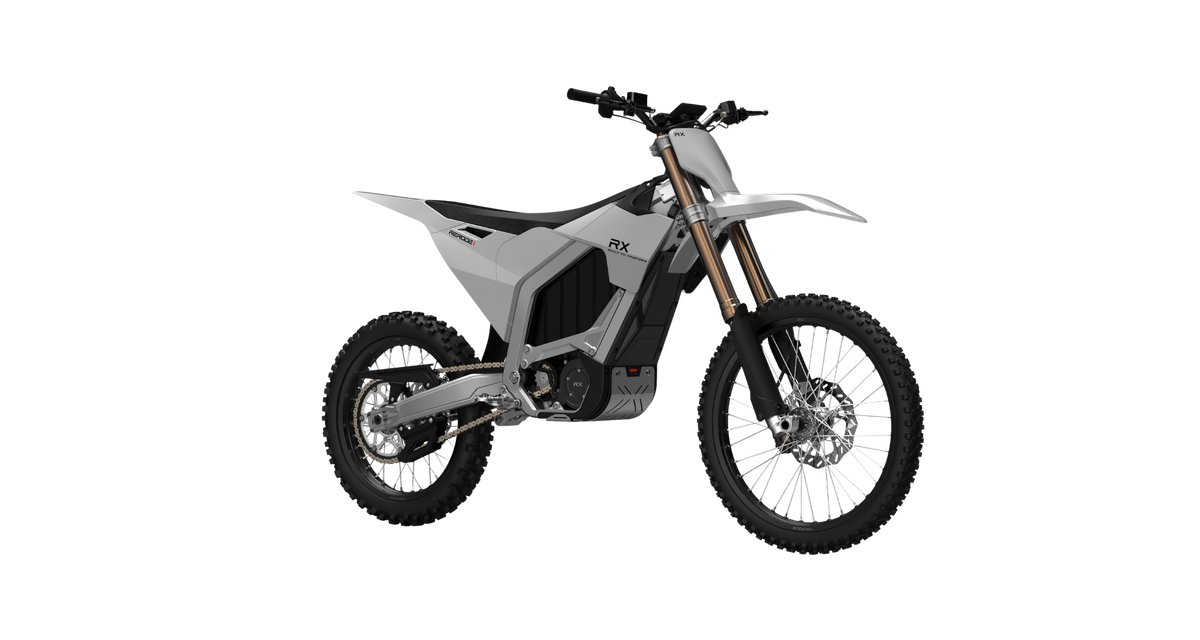
If you are shopping for an electric motocross bike that is actually built for track use, the Rerode R1 and R1+ are worth a close look. Lightweight aluminum frames, strong motors, belt-drive simplicity, and a data-connected riding experience. These bikes are designed to perform, not just to prove a concept.
Share:
Choosing the Best Electric Dirt Bike for Teens: A Parent-Friendly Guide
Electric vs Gas Dirt Bikes: Which One Makes Sense for Your Riding Style?